48 Hours in Carmel-by-the-Sea
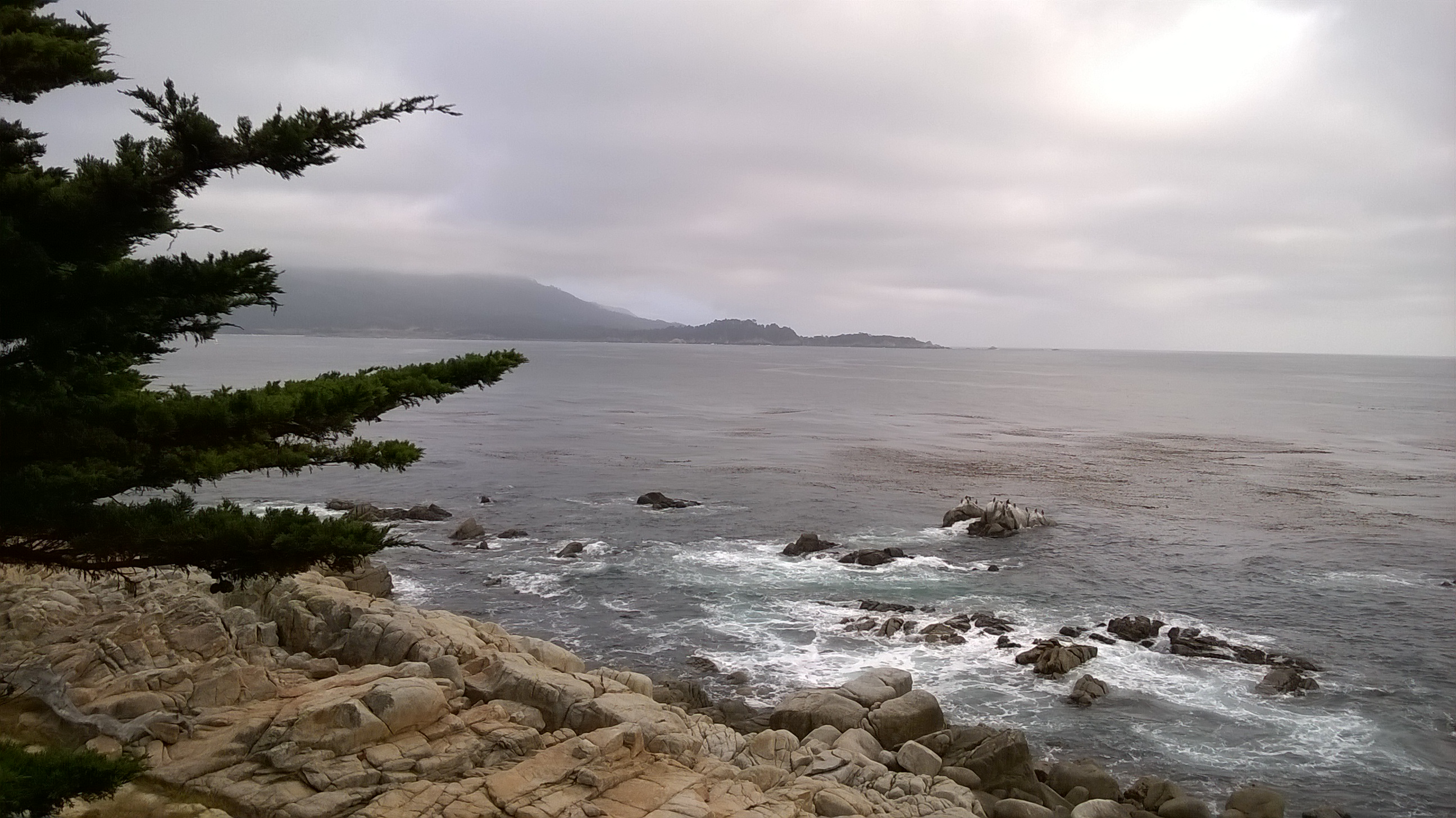
Two days of storybook streets, hidden courtyards, California art, white-sand beach—and enough time to wander without turning Carmel into a checklist.
Carmel-by-the-Sea isn't a place that rewards efficiency.
That's part of its appeal.
The village is small enough to walk, but interesting enough that walking directly from Point A to Point B almost misses the point.
A narrow passageway disappears between buildings.
A courtyard opens behind a storefront.
A cottage looks as though someone illustrated it for a children's book.
A gallery window makes you stop.
And if you keep following Ocean Avenue downhill, eventually the buildings disappear and the Pacific takes over.
Carmel has been attracting artists, writers, architects, and travelers for generations, and that history still influences how the village feels.
There are destinations that ask us to drive farther, see more, and keep moving.
Carmel asks something different.
Carmel asks us to wander.
At a Glance
Best for: Couples, friends, art lovers, architecture enthusiasts, food travelers, walkers, wine lovers, and anyone who enjoys discovering small details rather than racing between major attractions.
The pace: Slow and highly walkable.
Stay: Two nights.
Don't miss: Carmel's courtyards and passageways, its architecture and galleries, Carmel Beach, sunset, and enough unscheduled time to get slightly lost.
Good to know: Carmel-by-the-Sea is compact. If you stay in or near the village, much of this getaway can happen without your car.
Where to Stay
For this trip, stay in the village if you can.
Carmel has inns, small hotels, historic properties, and more luxurious accommodations scattered throughout and around the village.
But we're less concerned with a particular hotel than with what happens when you step outside.
Can you walk to Ocean Avenue?
Can you walk to dinner?
Can you wander through town in the evening without retrieving the car?
Can you walk down to the beach?
If so, you've improved the entire weekend.
This is one destination where paying somewhat more for location can change the experience.
Park the car.
Check in.
Then start walking.
Day 1 — Get Lost in the Village
Begin around Ocean Avenue, Carmel's principal street.
But don't remain on it.
Look for the smaller streets.
Turn into passageways.
Walk through courtyards.
Carmel's compact village contains numerous hidden courtyards and passages tucked between shops, restaurants, galleries, and buildings.
Some are obvious.
Others aren't.
That's the fun.
We're not going to give you a checklist requiring you to locate every one.
Find a few.
Then find one we didn't tell you about.
Look at the Buildings
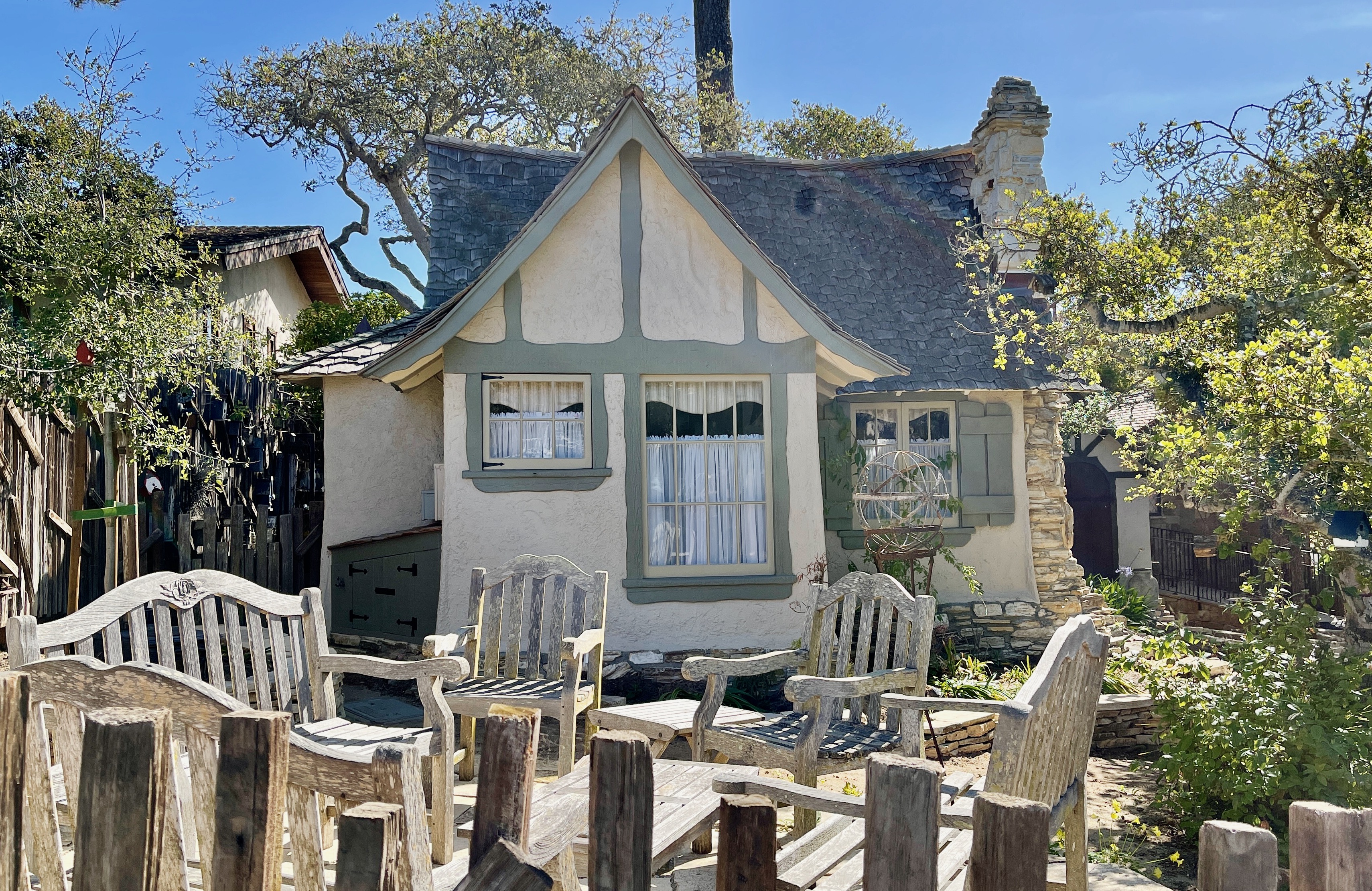
Carmel's architecture deserves attention.
In the 1920s, designer and builder Hugh Comstock helped create some of the whimsical cottages that contributed to Carmel's storybook appearance.
But don't turn the morning into an architectural inventory.
Look at doors.
Windows.
Rooflines.
Gardens.
Small buildings tucked behind larger ones.
Carmel works at a scale that encourages noticing details.
That's one reason walking matters.
Late Morning — Galleries and the Art Story
Artists and writers were important to Carmel's early development, and the village's artistic identity remains visible in its galleries today.
Choose the ones that interest you.
Don't feel obligated to visit every gallery you pass.
And don't assume that enjoying an art gallery requires buying something.
Go inside.
Look.
Ask questions if something catches your attention.
Then continue walking.
Art belongs naturally in Carmel because the landscape surrounding the village helped attract artists here in the first place.
Later today, we'll see that landscape ourselves.
Lunch — When You're Ready
Have lunch in the village.
This is one day when we're deliberately not telling you exactly when.
Maybe you've spent more time in the galleries than expected.
Maybe you've discovered a courtyard where you want to sit.
Maybe you found a bakery or café thirty minutes ago and you're no longer hungry.
Good.
Let Carmel interfere with our schedule.
Afternoon — Keep Wandering
After lunch, continue exploring.
Look into shops.
Find another passageway.
Have coffee.
Return somewhere that interested you earlier.
Or sit.
There's no major attraction waiting for us at 2:30.
Eventually, however, start heading downhill.
Ocean Avenue will tell you where you're going.
The Pacific is waiting at the bottom.
Late Afternoon — Carmel Beach
Walk onto Carmel Beach.
The broad white-sand beach and Monterey cypress-lined coastline create one of Carmel's defining landscapes.
Don't simply walk onto the sand, take a photograph, and leave.
Walk the beach.
Look north.
Look south toward Point Lobos.
If you still want to walk, follow part of Scenic Road above the shoreline.
Then find somewhere to stop.
We've spent much of the day looking at the human creativity Carmel inspired.
Now look at one of the reasons people were inspired in the first place.
Sunset — Stay
If conditions cooperate, stay for sunset.
This is our appointment.
Everything else can wait.
Watch the light move across the water.
Watch the beach change.
Then walk back uphill toward the village.
Yes, uphill.
Carmel makes you earn dinner.
Evening — Dinner in the Village
Choose somewhere that appeals to you and make a reservation ahead of time if it's particularly important.
Then walk there.
That's one of the great pleasures of staying in Carmel itself.
No navigating.
No searching for another parking space.
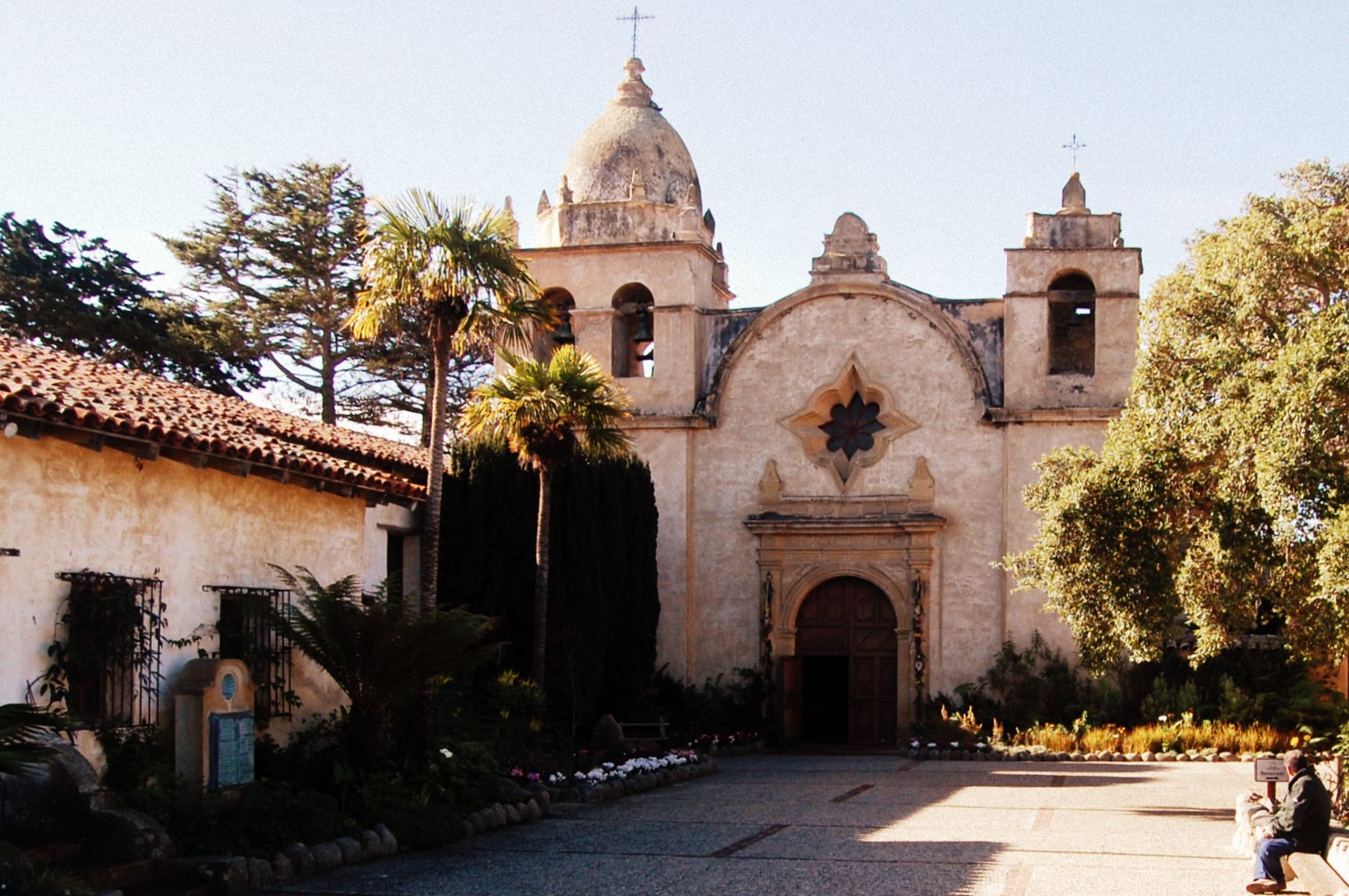
You might visit Carmel Mission, whose history reaches back to California's Spanish mission period.
Architecture and literary travelers may instead be interested in Tor House, associated with poet Robinson Jeffers.
This is a 48-hour getaway, not a qualifying examination on Carmel history.
The objective is simply to understand one more layer of the place you've been walking through.
Late Morning — Return to the Village
Come back to the village.
Maybe yesterday you noticed somewhere you wanted to revisit.
Now you have time.
Have coffee.
Browse.
Look at books.
Visit another gallery if one caught your attention.
Or find the courtyard you somehow missed yesterday.
That's another advantage of not filling every hour.
Lunch — Stay Local
Have lunch in the village.
Take your time.
Then we're going to do something increasingly important in our 48 Hours in California trips.
We're going to leave part of the afternoon alone.
Afternoon — Carmel Without Instructions
You have a few hours.
We don't need them.
They're yours.
Return to Carmel Beach.
Shop.
Read.
Take a nap.
Walk the residential streets and look at cottages.
Sit in a courtyard.
Or repeat something from yesterday.
Carmel is precisely the sort of destination where doing something twice may be better than doing six things once.
Late Afternoon — Return to the Pacific
Eventually, go back toward the ocean.
Maybe walk another section of Scenic Road.
Maybe return to exactly the same place on Carmel Beach.
Yesterday's light won't be today's light.
The ocean won't look exactly the same either.
And now the village behind you isn't unfamiliar anymore.
That's what spending two nights somewhere can accomplish.
Evening — One Final Village Dinner
Tonight, choose the dinner that feels right for the end of the trip.
It doesn't have to be the most expensive restaurant.
It doesn't have to be the one with the longest waiting list.
It just needs to fit your evening.
Then walk home.
You've spent most of two days in one of California's best-known coastal communities while barely needing your car.
Tomorrow morning, have breakfast, take one last walk if you have time, collect your bags, and check out.
You could head home.
But if you have another three hours, now we have a reason to retrieve the car.
If You Have 3 More Hours
Carmel Valley
Drive inland on Carmel Valley Road.
Watch what happens.
The coastal influence begins fading.
The landscape opens.
Temperatures may rise.
Oaks, ranchland, hills, and vineyards begin replacing Carmel's cottages and cypress-lined shoreline.
In a relatively short drive, you've entered an entirely different California experience.
Eventually you'll reach Carmel Valley Village.
This is our introduction to Carmel Valley—not an attempt to experience the entire valley in three hours.
Walk around the village.
Have lunch if the timing works.
And if wine interests you, choose one or perhaps two tasting rooms.
Not five.
Carmel Valley's warmer inland climate supports vineyards and grape varieties quite different from what you might expect beside the cooler Monterey Peninsula.
That contrast is the reason we're here.
You don't need to become a Carmel Valley wine expert this afternoon.
Taste something.
Ask where the grapes were grown.
Learn something about the valley.
Then look around.
In less than half an hour, the Monterey Peninsula can take you from fog and cypress trees to sunshine and vineyards.
That's a remarkable transition.
Give yourself enough time to notice it.
And if nobody wants to taste wine, Carmel Valley still works.
Have lunch.
Explore.
Enjoy the inland landscape.
Wine is part of the valley's story.
It isn't the only reason to visit.
Then continue home or return toward the coast.
Point Lobos
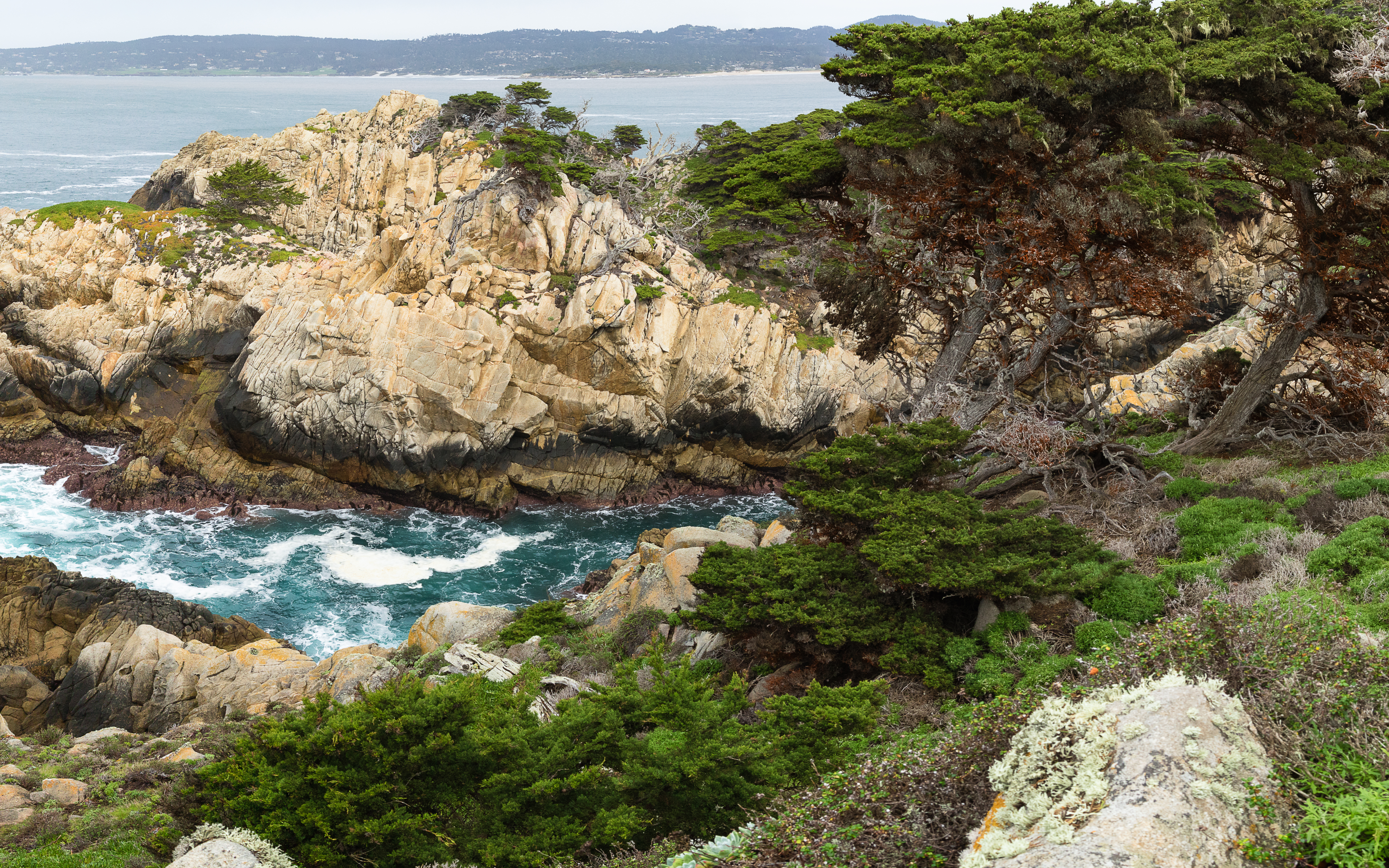
Give Point Lobos State Natural Reserve the time we intentionally didn't take from our core Carmel itinerary.
This is where Carmel begins transitioning toward the much wilder Big Sur coastline.
Spend several hours rather than thirty minutes.
Walk the headlands.
Explore the coves.
Watch the water.
Look for wildlife.
Bring binoculars if you have them.
Choose trails appropriate to current conditions and your ability.
Don't treat Point Lobos as another place where you're trying to accumulate viewpoints.
Walk.
Stop.
Look.
Listen.
Then continue.
Readers arriving from our 48 Hours in Big Sur guide will recognize why Point Lobos works so well as a bridge between the two destinations.
Big Sur's dramatic coastline doesn't suddenly begin at an arbitrary point on Highway 1.
The landscape changes gradually.
Point Lobos lets you experience that transition.
Before You Go
Carmel-by-the-Sea is relatively easy to experience, but a little planning improves the trip.
Book lodging early if staying within the village is important to you.
Make dinner reservations for restaurants you particularly care about, especially during busy weekends.
Then resist the urge to reserve everything else.
Carmel benefits from unscheduled time.
Bring comfortable walking shoes.
The village is compact, but you'll probably cover more ground than expected—and Ocean Avenue reminds everyone that the walk back from the beach goes uphill.
Bring a layer for the coast.
Monterey Peninsula weather can change, and Carmel Valley may be considerably warmer than Carmel Beach on the same day.
If you plan to visit Carmel Mission, Tor House, or another historic property, check current hours, tour requirements, and access before building your morning around it.
If you're going into Carmel Valley for wine tasting, check individual tasting-room schedules and reservation requirements.
And if you're extending the trip into Point Lobos, check current reserve hours, parking information, weather, and trail conditions before arriving.
Most importantly, don't over-organize Carmel.
There are destinations where a detailed schedule improves the experience.
This isn't one of them.
Walk down a street because it looks interesting.
Enter a gallery because something in the window caught your attention.
Follow a passageway because you don't know where it goes.
Return to the beach because yesterday wasn't enough.
And don't worry if you missed a famous courtyard.
You'll probably find another one while looking for it.
Carmel asks us to wander.
And remember what these trips are supposed to be:
48 hours away—not 48 hours of appointments.
Related Getaways
Head north with 48 Hours in Monterey, where Carmel's intimate village gives way to California history, Cannery Row, a working waterfront, marine life, and Monterey Bay.
Travel south with 48 Hours in Big Sur, where the walkable village disappears and Highway 1 carries you between redwoods, mountains, cliffs, and the Pacific.
Continue farther south with 48 Hours in Cambria, another small coastal community with a very different personality and a gentler Highway 1 rhythm.
Wine travelers can follow our brief introduction to Carmel Valley inland and eventually connect it with 48 Hours in Paso Robles, where vineyards become the central landscape rather than a three-hour extension.
Carmel belongs beautifully among them.
Monterey tells us about California's relationship with the bay.
Big Sur overwhelms us with landscape.
Carmel does something quieter.
It asks us to walk slowly enough to notice what someone built behind the next wall—
and then follow the street until we reach the sea.
Photo Credits
Carmel Beach: Ayesha Nadiadwala, via Wikimedia Commons, licensed under CC BY-SA 4.0. Image cropped for display.
Hansel Cottage, Carmel-by-the-Sea: Gregory Ford Henderson (Greghenderson2006), via Wikimedia Commons, licensed under CC BY-SA 4.0. Image cropped for display.
Carmel Mission: Shubert Ciencia, via Wikimedia Commons/Flickr, licensed under CC BY 2.0. Image cropped for display.
Point Lobos State Natural Reserve: Frank Schulenburg, via Wikimedia Commons, licensed under CC BY-SA 4.0. Image cropped for display.