48 Hours in Santa Ynez Valley
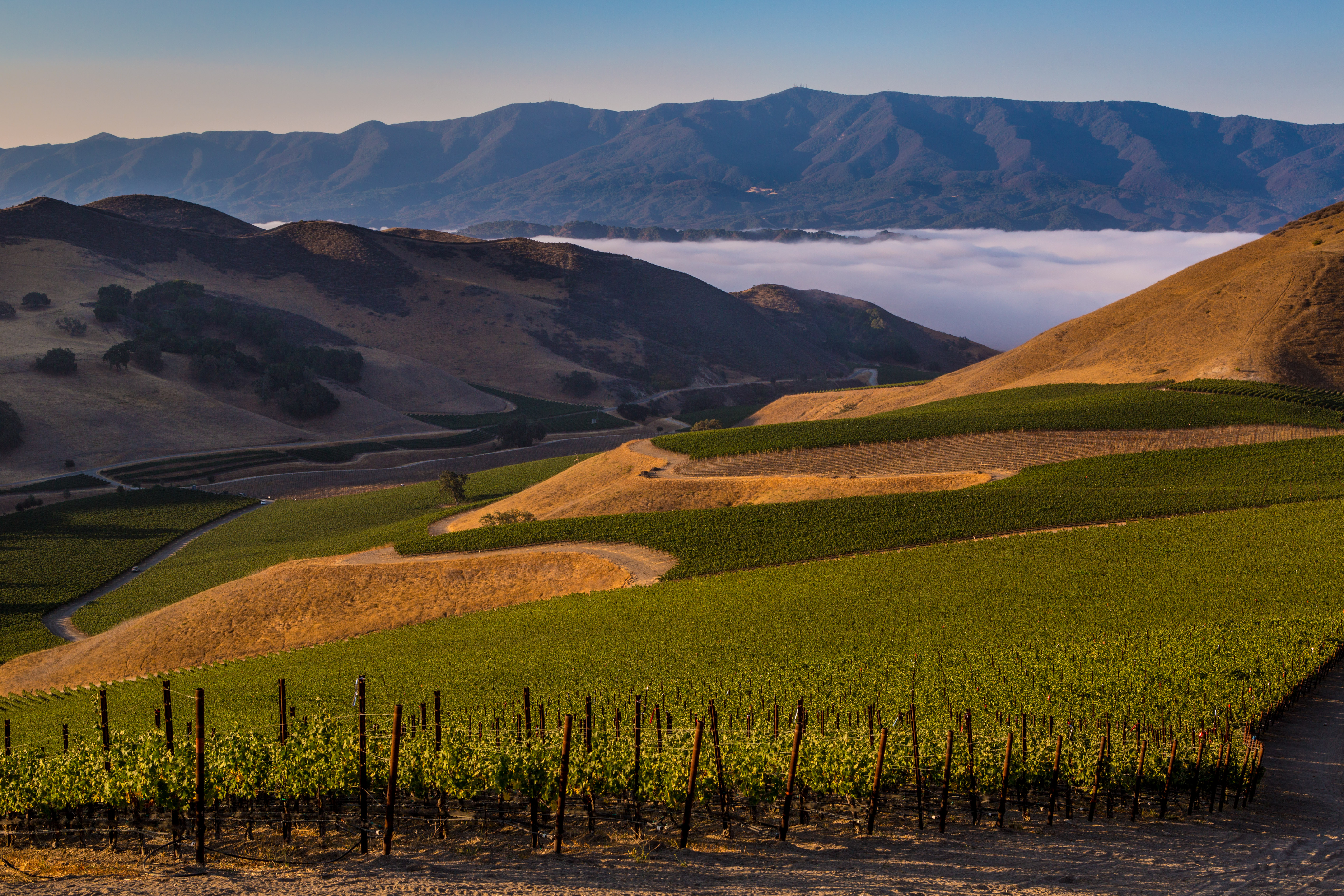
Two days of vineyard roads, small towns, California ranch country, Danish heritage, and wine country that rewards slowing down
Santa Ynez Valley is easy to describe as wine country.
That description is accurate.
It just isn't enough.
The valley is really a collection of six communities—Solvang, Los Olivos, Santa Ynez, Ballard, Buellton, and Los Alamos—surrounded by vineyards, farms, ranches, oak-covered hills, and country roads .
Each community contributes something different.
Solvang brings Danish-American heritage.
Santa Ynez carries a ranch-country personality.
Los Olivos gives us a remarkably concentrated little wine town.
Buellton and Ballard add still more pieces.
Los Alamos waits a little farther north with a personality of its own.
And between them are the vineyards.
That's how we'll spend these 48 hours—not trying to conquer Santa Barbara wine country, but discovering how its towns and landscape fit together.
Santa Ynez Valley isn't one town surrounded by wineries. It's a collection of small communities connected by vineyards, ranches, food, and country roads.
At a Glance
Best for: Couples, friends, wine travelers, food lovers, road-trippers, and anyone who likes small towns as much as tasting rooms.
The pace: Relaxed, with considerably more wandering than scheduling.
Stay: Two nights.
Don't miss: Solvang, Los Olivos, the country roads between them, one memorable estate winery, and enough time to appreciate the landscape rather than simply driving through it.
Wine strategy: Two winery experiences on our primary wine-country day. Three is the absolute maximum.
Good to know: Distances aren't enormous, but wine tasting and driving require planning. If everyone in your group wants to taste, arrange transportation.
Where to Stay
For this trip, I'd concentrate on Los Olivos or Solvang.
They produce two different versions of the same weekend.
Los Olivos
Stay in Los Olivos if you want the more intimate wine-country experience.
The community is small enough to explore on foot and contains restaurants, galleries, shops, and numerous tasting rooms.
That creates a significant advantage:
After a day exploring the valley, you can park the car and walk.
Solvang
Choose Solvang if you want more of a village experience built around its Danish-American identity, along with a broad selection of lodging, restaurants, bakeries, shops, and tasting opportunities.
Solvang also works especially well for travelers who aren't primarily interested in wine.
Neither choice is wrong.
Pick the community that sounds more like the weekend you want.
Then stay there for both nights.
Day 1 — Meet the Valley Through Its Towns
Morning — Solvang
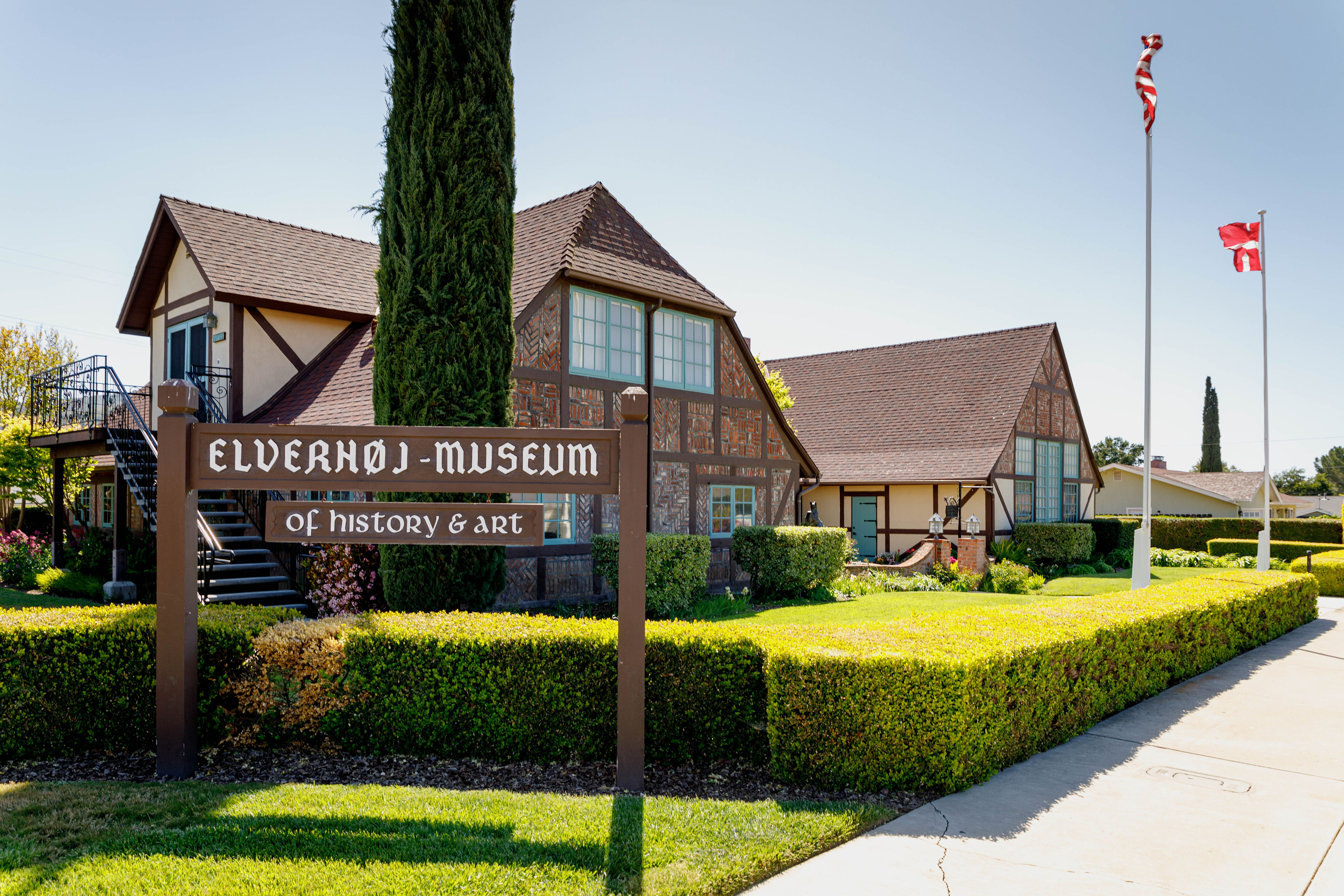
Begin in Solvang.
Walk.
Don't start by trying to photograph every windmill.
Instead, spend enough time in the village to understand why it looks the way it does.
Solvang was founded in 1911 by Danish immigrants, and its Danish-American heritage remains central to the community's identity.
Look at the architecture.
Visit a bakery.
Walk the side streets.
Explore shops if something interests you.
And if you want more historical context, choose a museum or cultural stop rather than trying to visit everything.
Solvang can become gimmicky if we treat it only as scenery.
The better experience is recognizing that its Danish identity grew from an actual immigrant community whose influence continues more than a century later.
Late Morning — Have the Pastry
This is not the morning for a virtuous breakfast.
Find a Danish bakery.
Choose something that looks good.
Sit down.
Coffee helps.
We're in no hurry.
Then get the car.
The rest of Santa Ynez Valley is waiting outside town.
Midday — Santa Ynez
Drive toward Santa Ynez.
The change in personality is part of the experience.
Solvang's Danish-influenced village gives way to something more closely associated with California ranch country.
Walk around town.
Look at the buildings.
Browse if something interests you.
Have lunch here if the timing feels right.
We aren't spending half the day.
We're establishing another piece of the valley.
Then continue toward Los Olivos.
But don't treat the drive merely as transportation.
Look around.
Vineyards begin appearing.
So do ranches.
Oak-covered hills frame the roads.
This is why we're here.
Afternoon — Los Olivos
Arrive in Los Olivos and park.
Now walk.
The village gives us one of California wine country's interesting contradictions: a very small town containing a surprisingly large number of opportunities to taste wine.
That does not mean we're going to try them all.
Choose one tasting room.
That's enough.
If you're especially interested in wine, perhaps choose a second.
But remember that tomorrow is our principal vineyard day.
Today we're experiencing Los Olivos itself.
Walk Grand Avenue.
Look into galleries.
Browse a shop.
Have coffee.
Sit somewhere.
Let the village become more than the place where the tasting rooms happen to be.
Late Afternoon — Stop
Return to the hotel.
Rest.
This is important.
The fact that wine country offers another tasting doesn't mean we need another tasting.
Evening — Dinner Without Driving
If you're staying in Los Olivos, walk to dinner.
If you're staying in Solvang, return there and park the car for the evening.
Have a good meal.
Then walk afterward.
Tomorrow we're leaving the tasting rooms behind and going to the vineyards themselves.
Day 2 — Into Wine Country
Today is our wine-country day.
And we're going to name a couple of wineries.
Not because they're the only wineries worth visiting.
They aren't.
We're choosing them because they can help a first-time visitor experience different sides of Santa Ynez Valley without turning the day into a tasting-room marathon.
Morning — Fess Parker Winery & Vineyard
Make our first destination Fess Parker Winery & Vineyard on Foxen Canyon Road.
This is a particularly useful choice for our guide because it gives readers more than a glass of wine.
It gives them a story.
Actor Fess Parker purchased the Foxen Canyon ranch in 1988 with the intention of creating a family enterprise. The winery was established in 1989, and second and third generations of the family remain involved.
More importantly for our itinerary, this is an estate experience.
We're no longer tasting wine in town.
We're out among the vineyards.
Allow time.
Look at the property.
Ask questions.
If there's a wine you don't recognize, ask about it.
And don't spend the entire tasting staring down into the glass.
Look up.
Part of what you're tasting began in landscapes like the one surrounding you.
The Road Is Part of the Experience
When you leave, don't immediately think about the next reservation.
Look at Foxen Canyon Road and the surrounding country.
This is one of the reasons we limited today's schedule.
In Santa Ynez Valley, the road between the tasting rooms may be as memorable as what's poured inside them.
Lunch — Give Wine Some Competition
Now eat.
A real lunch.
Not crackers standing beside a tasting bar.
Wine-country travel becomes considerably more enjoyable when lunch is treated as part of the day rather than an inconvenience between tastings.
Take your time.
Drink water.
Then decide whether you actually want another winery.
You don't have to.
But if you do, we'll make the second one deliberately different.
Afternoon — Choose Your Second Experience
If you're ready for another winery, consider Beckmen Vineyards, just south of Los Olivos.
Beckmen emphasizes estate-grown wines, Rhône varieties, and biodynamic farming at its Purisima Mountain Vineyard. That agricultural story gives us a useful counterpoint to the larger Fess Parker experience.
The objective isn't deciding which winery is “better.”
It's experiencing two different approaches to Santa Ynez Valley wine.
Taste.
Ask about the vineyards.
Learn something about how farming affects what's in the glass.
Then stop.
Two estate wineries plus yesterday's Los Olivos tasting is plenty for a 48-hour trip.
What About a Third Winery?
Only if wine is the principal reason you came.
And even then, ask yourself whether another tasting will improve the day.
If the answer is yes, make it something genuinely different rather than another stop simply because it's nearby.
Otherwise:
Don't.
Go back to your hotel.
Late Afternoon — Wine Country Without Wine
This may be one of the best parts of the trip.
You have nowhere else you need to be.
Sit outside.
Walk around Los Olivos.
Return to Solvang.
Take a nap.
Have coffee.
Browse a shop you noticed yesterday.
Or simply look at the hills.
Wine country should contain some time when you aren't holding a wineglass.
Evening — One Last Valley Dinner
Choose somewhere that lets the evening stay relaxed.
No cross-valley expedition because someone on the internet declared one particular dish mandatory.
Eat well.
Talk about what you tasted.
And perhaps more importantly, talk about what you saw.
By now Santa Ynez Valley should feel less like a collection of wineries and more like a place.
The next morning, have breakfast or coffee, walk your home village one more time, and check out.
If you're headed south, Santa Barbara is a natural continuation.
If you're heading north, San Luis Obispo County waits farther up the Central Coast.
But if you have another three hours, there's one more Santa Ynez Valley community worth discovering.
If You Have 3 More Hours
Los Alamos
Head north toward Los Alamos.
Don't confuse small with uninteresting.
Los Alamos gives us another variation on the valley's small-town theme, with historic buildings, restaurants, shops, and the surrounding ranch-and-vineyard landscape.
Walk the main street.
Have something to eat.
Browse.
Don't manufacture three hours of activities if you've seen what you wanted to see.
The point is the contrast.
Solvang didn't look like Santa Ynez.
Santa Ynez didn't feel like Los Olivos.
And Los Alamos adds another personality.
That's the Santa Ynez Valley story.
Several small communities.
One landscape connecting them.
If You Have One More Day
Stay in the Valley
Don't leave.
That's our recommendation.
We deliberately skipped Ballard and Buellton during the core itinerary.
Now you have time for them.
Or spend another day among vineyards without scheduling another marathon of tastings.
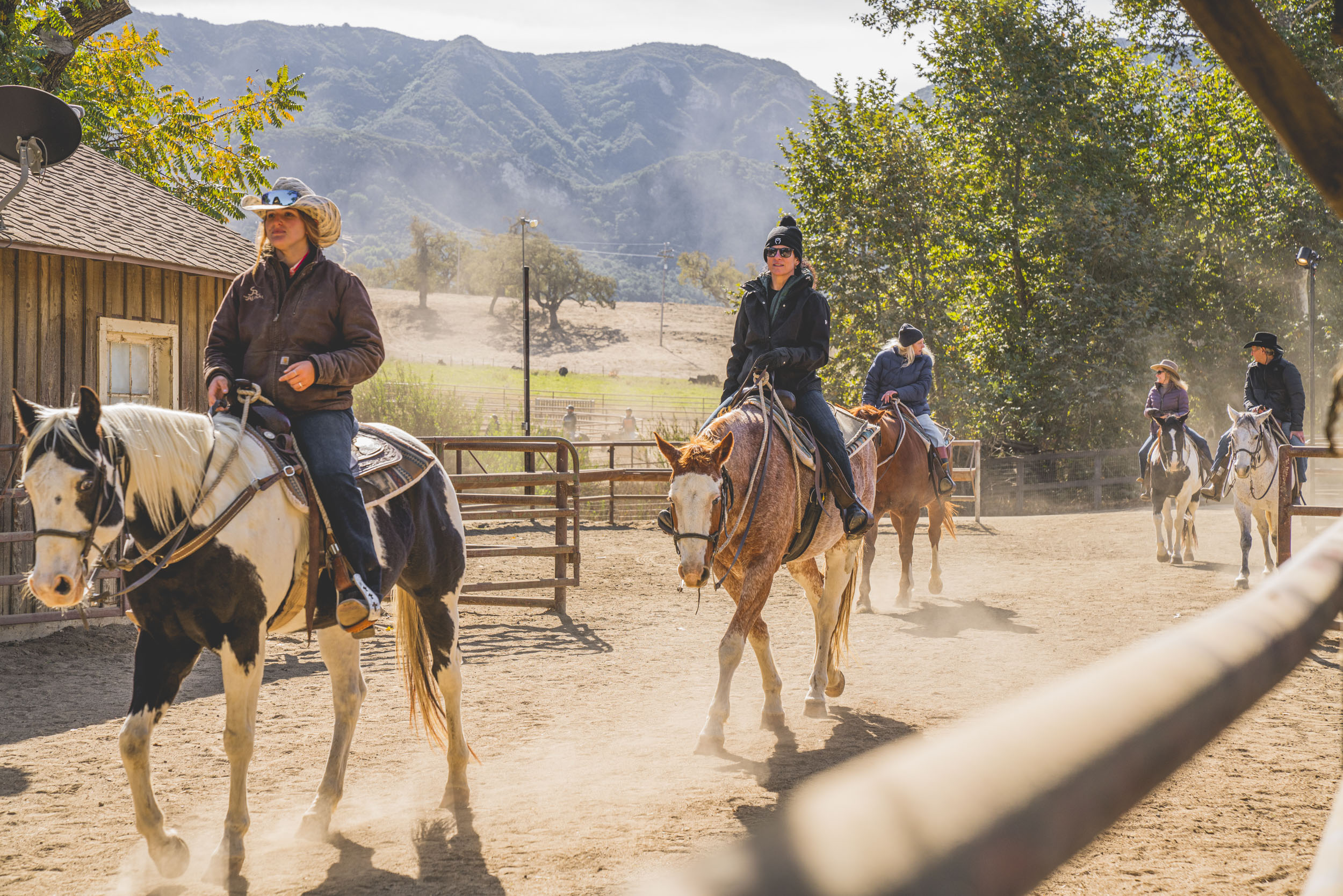
Consider a horseback experience.
Explore the agricultural side of the valley.
Take a longer lunch.
Visit one winery you deliberately left off yesterday.
Return to your favorite town.
Or do very little.
The extra day isn't an opportunity to double the itinerary.
It's permission to go deeper.
Before You Go
Wine tasting requires a little more advance planning than most of our 48-hour trips.
Check current winery hours and reservation requirements before leaving home.
Don't assume every tasting room accepts walk-ins.
If everyone in your group plans to taste, arrange appropriate transportation.
And remember that tasting pours add up.
Eat.
Drink water.
Know when you're finished.
Santa Ynez Valley also experiences meaningful temperature differences during the day and throughout the year, so bring layers.
Most importantly, don't judge the success of the weekend by the number of wineries visited.
Four wineries aren't automatically better than two.
Six towns aren't automatically better than three.
You haven't failed if you never reach Ballard.
You haven't missed Santa Ynez Valley because you didn't taste fifteen wines.
The valley works because its pieces fit together.
The small towns.
The vineyards.
The ranches.
The food.
The roads.
And the stretches of California countryside between them.
Santa Ynez Valley gives us wine country connected by small towns.
And remember what these trips are supposed to be:
48 hours away—not 48 hours of appointments.
Related Getaways
Head south with 48 Hours in Santa Barbara, where the vineyards and ranch roads give way to Spanish-influenced architecture, restaurants, neighborhoods, and the Pacific.
Travel north with 48 Hours in San Luis Obispo, where another walkable California town becomes the center of the weekend.
Continue toward the coast with 48 Hours in Avila Beach, where wine-country roads eventually reach a sheltered beach, promenade, pier, and a considerably slower rhythm.
Or keep traveling north with 48 Hours in Paso Robles and compare two of California's great Central Coast wine-country experiences.
They're close enough to belong to the same larger journey.
But different enough that neither substitutes for the other.
That's exactly what we're trying to build with 48 Hours in California.
Not a collection of places to check off.
A collection of places worth understanding.
Photo Credits
Santa Ynez Valley vineyard landscape: George Rose, courtesy Visit the Santa Ynez Valley.
Elverhøj Museum of History and Art, Solvang: Craft & Cluster, courtesy Visit the Santa Ynez Valley.
Horseback riding at Alisal Ranch: Visit the Santa Ynez Valley.